MINDHACK英語翻訳とっておき解説コーナー!
このコーナーではMINDHACKの英語版テキストを手がけていただいている岩﨑 真木子さんに、翻訳に関するエピソードを語っていただきます。
今回のブログでは、第三章の解説をお届け!
とっても個性的な口調のシノちゃんはどのように英語になったのか?
どうぞご覧ください!
【今回の翻訳に際して、工夫した点やお気に入りの点について】
●シノの登場/Meeting SINO
???
「ハ!
声も上げぬとは。
つまらぬ」
「ヒトならヒトらしく、
血と肉で床を汚せ。
苦しみ喘ぎ、我を悦ばせよ」
「だが、我が一撃に
臆さぬ性根は
褒めてやる……」
「こちらへ来い。
その面、丁寧に皮を
剥いでくれようぞ」
???
“Ha! Thou dost not
even make a sound?
How tedious.”
“If thou art human. Dirty this floor
with thy blood and meat, as humans do.
Moan with torment, for my pleasure.”
“But, I praise thy spirit
to take mine assault
with nary a flinch…”
“Come hither.
I shall gingerly peel
thy skin off thy face.”

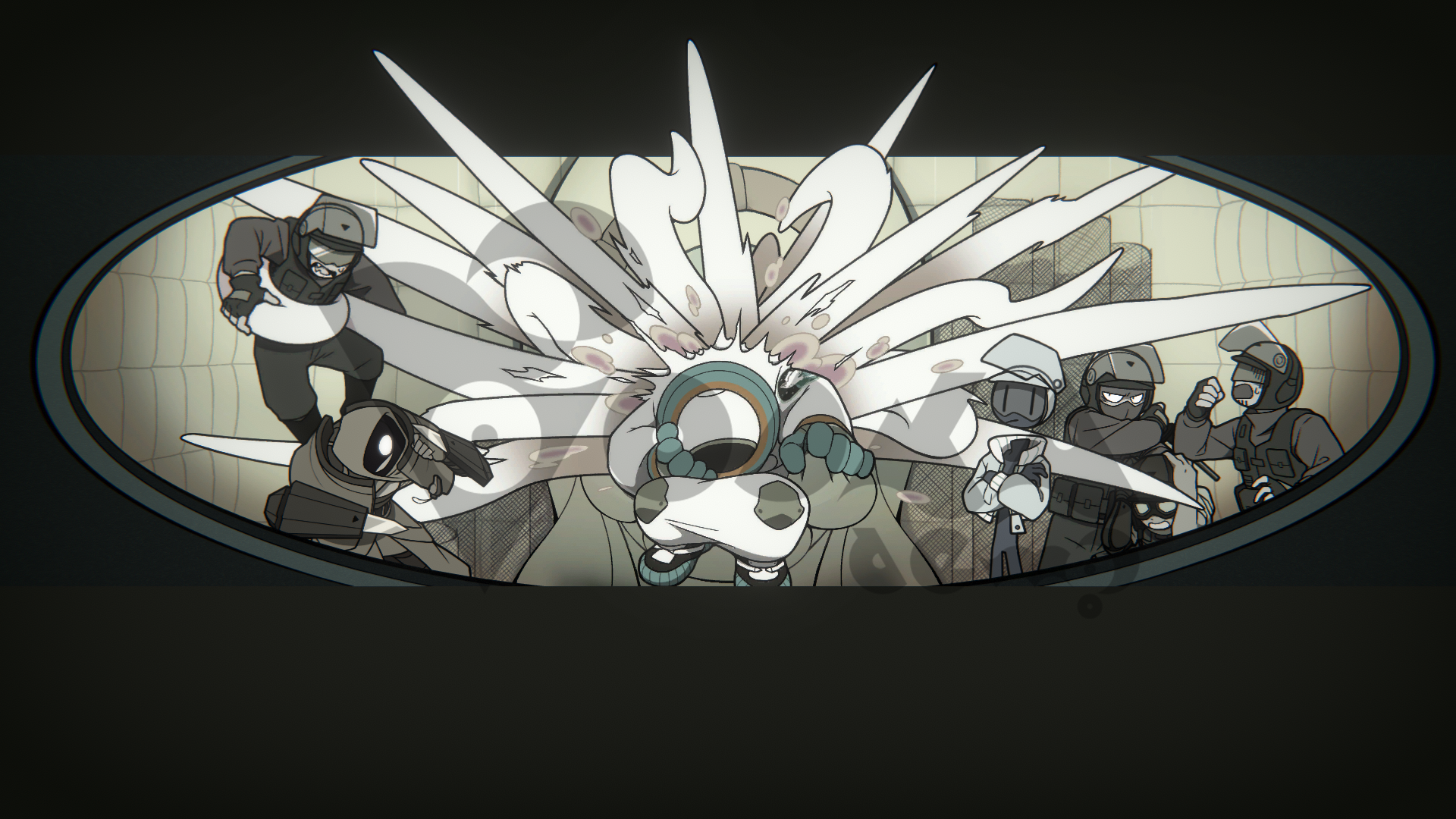
シノと先生が初めて対面する時の台詞ですが、シノからの攻撃後・姿を目撃する前の台詞でもあります。そのタイミングということもあり、姿から得られる可愛らしい印象とのギャップを強く意識しました。とにかく最高に恐ろしく格好良くしたかったことを覚えています。また後述もしますが、そのためにもシノの英語は古い英語として訳しています。
また、この台詞でも見られると思いますが、シノの口調は全体的に禍々しさの中に見える妖しさが常に漂っている印象を受けました(そしてその中に見え隠れする可愛さがギャップ)。この台詞はそのイメージがギュッと詰まっていると思います。そしてそのイメージの象徴として、英訳では「Come」のみでもなく「Come here」でもなく、「Come hither」というフレーズを使っています。挑発的で妖しく、悪魔の誘惑のようなフレーズはシノのこういった一面を表現するのに最適だと思いました。
These lines come from the scene where SINO and Doctor meet. It’s also after SINO’s attack and before Doctor actually sees what SINO looks like, so I tried my best to amplify the difference between their adorable appearance and their way of talking. I just really wanted to make their first lines sound as formidable/cool as I can. That’s also why I chose to use archaic English for their way of speaking (which I’ll get more in-depth later).
I feel that these lines also show how SINO speaks in a generally sinister way, but you can also see some sensuality in there at times, along with the occasional sprinkle of cuteness. I think those three tones are the cores of SINO as a character. What I mean by “sensuality” is probably best expressed when SINO says “Come hither” instead of just “Come” or “Come here”; I thought this provocative, sensual, maybe even seductive (like how a devil seduces) tone fits them well here.
●シノの口調/SINO’s way of speaking
シノ
「……なに?
器の外側に『シノ』と
書いてあっただと?」
「ほざけ!そんなもの
『博士』が勝手に付けたにすぎん!
我が精髄、己が目で見よ!!」
SINO
“…What?
The container had
‘SINO’ written on it?”
“NAY! Tis merely a name imposed
upon me by the professor! Gaze upon
my being with thy own eyes!!”

第3章を拝見したとき、もちろん最初に目に入ったのはシノの古風な話し方でした。一プレイヤーとしては格好良すぎる!とワクワクしましたし、一翻訳者としてこれは腕が鳴るぞ!と思いましたね。
英訳の方針を検討する際、読みやすさのためにも「文法自体は現代的だけれども名詞や形容詞を古風にすることで全体を古風な雰囲気にする」という案も浮かびました。しかしMINDHACKならばやり切った方がいいと思い、古語法を用いた英語にしようと決意しました。といっても、やりすぎると本当に古文になりかねないため、主に代名詞や動詞を初期近代時代の英語(わかりやすく言うとシェイクスピアの作品に出てくるような英語)から使いました。具体的な例を挙げると、代名詞の「you」の代わりに「thou」(目的語は「thee」)を用いたり、二人称単数の動詞「do」の代わりに「dost」(三人称は「doth」)を用いたりしました。それとは別に「Hark(聞け)」「Nay(違う・いや)」「Lo(見よ)」「O(Ohの代わりに)」などの古い言葉も使いました。正直、学生時代にシェイクスピアを読んだ頃からあまり触れていなかったので、一から勉強し直す気持ちでそのあたりの文法を頭に入れた記憶があります。
といった風な方針でしたが、それとは別に、シノの台詞の中で魔王への愛や博士のことを話す態度に度々見え隠れする健気さや可愛さも表現したかったため、(上記の例でいうと最初の台詞のように)台詞によっては古風さの度合いを減らしてみました。
Obviously, the first thing that I noticed when I read through this chapter was SINO’s archaic way of speaking. As a fan of MINDHACK, I was elated at how cool this new character sounded. As a translator, I was definitely excited to take on this challenge.
When deciding the general direction of the English translation, there was part of me that considered going the route of using modern English but with archaic-sounding nouns and adjectives to try to make it seem a little archaic as a whole. However, this was MINDHACK, so I decided to go all the way with the archaic English. But I also didn’t want it to be too difficult to read, so I decided to use early modern English (also known as Shakespearean English) grammar for pronouns and verbs, as seen in SINO saying “thou/thee” instead of “you” and “dost/doth” instead of “do”. Aside from that, I also used archaic-sounding phrases and words like hark, nay, lo, and o (instead of oh). To be quite honest, I hadn’t touched old English ever since reading Shakespeare in school, so I approached this as though I would relearn everything from square one.
While that was the direction I was going for in my translation, I also wanted to make sure that players could see SINO’s cuteness in the way they talked about “Professor”, as well as how they loved FATAL ERROR. For lines (like the first line in the example above) that emphasized those aspects, I sometimes laid back on the old English and opted for a more modern feel.
●タイピングパート
かけまくも O THEY WHOSE NAME
あやにかしこき SHALL NOT BE
わがきみの SAID IN VAIN
みめぐみたまふ BLESSETH US WITH
まがことけがれ UTTER DESTRUCTION

原文でもとても格好いいタイピングパートですが、英訳でも呪文のような雰囲気を保とうとしました。この部分は他言語の馴染みがないと特に気付きづらいものかもしれないと思いピックアップしてみました。
In the original Japanese, the words that you type near the end of SINO’s hack are extremely archaic (more so than the rest of the chapter), and extremely cool-sounding. It sounds like both a poem and an incantation of an ominous spell, which I tried to translate into English while also keeping the character count as close to the original game as possible.
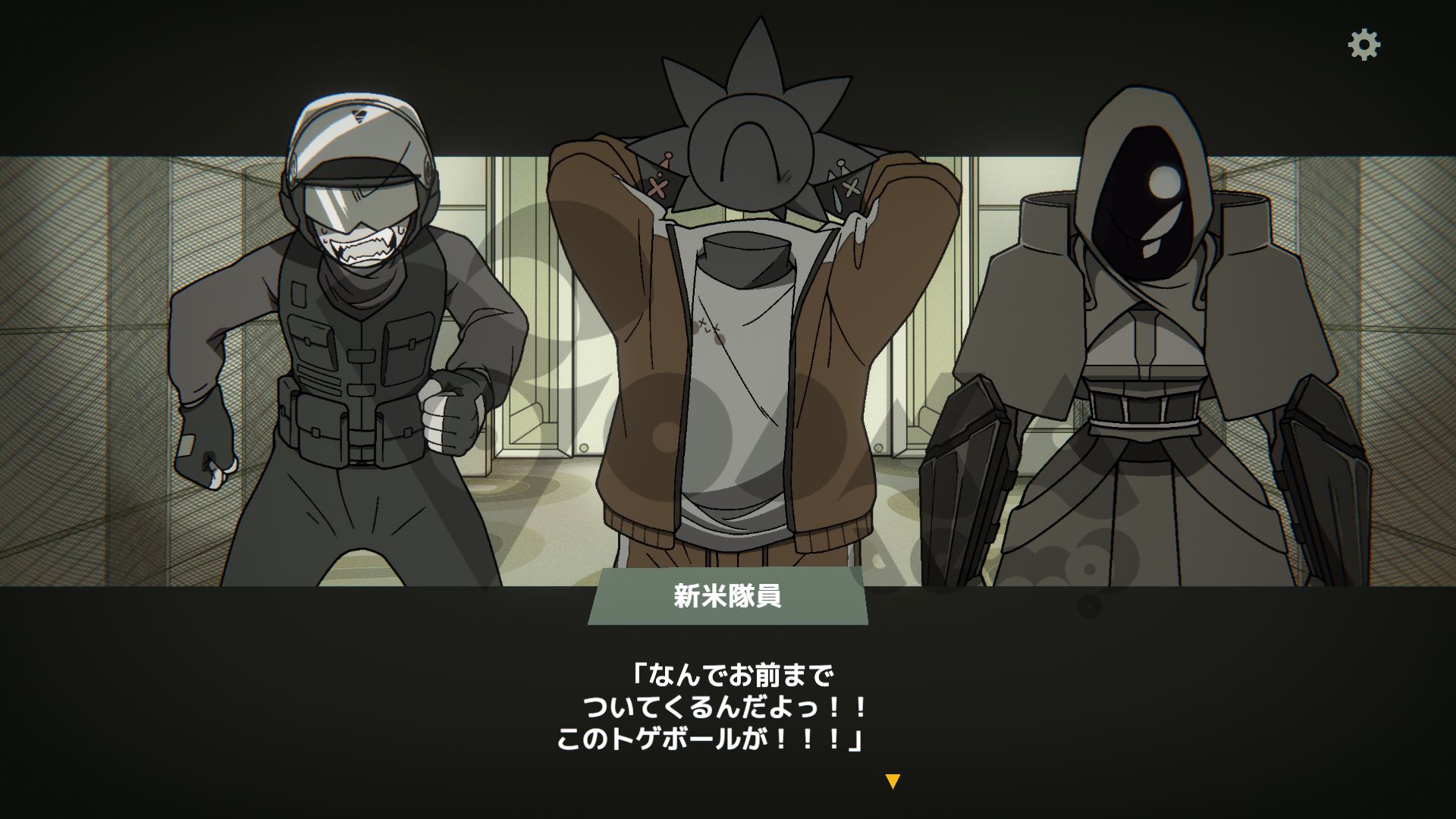
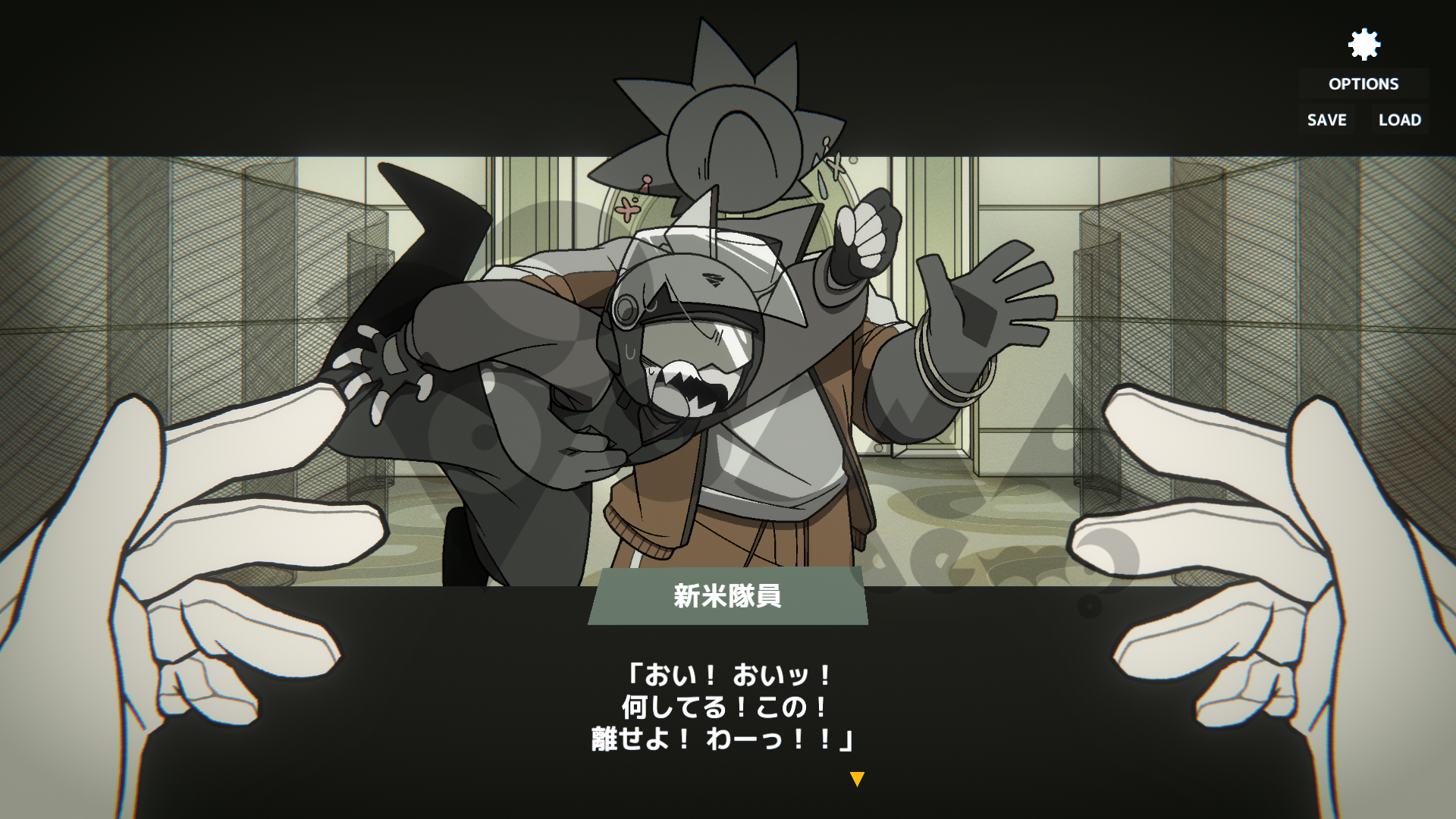
●新米てめぇ/Fuck you too
先生
“新米てめぇ……”
Doctor
“Fuck you too, Newbie!”

先生の口調としては強すぎるか迷ったのですが(英訳において先生はそこまでcurse/swear wordを使わないこともあり)、ツッコミの面白さを出したかったためこちらを提案しました。英語版を遊ばれたプレイヤーの方々がこの台詞で笑っている反応があったようで安心しました。
The doctor doesn’t swear often so I was worried that this would be a bit too much, but I really thought this would be a hilarious line for the doctor to say. The relief I felt when I saw MINDHACK players laughing at this line!
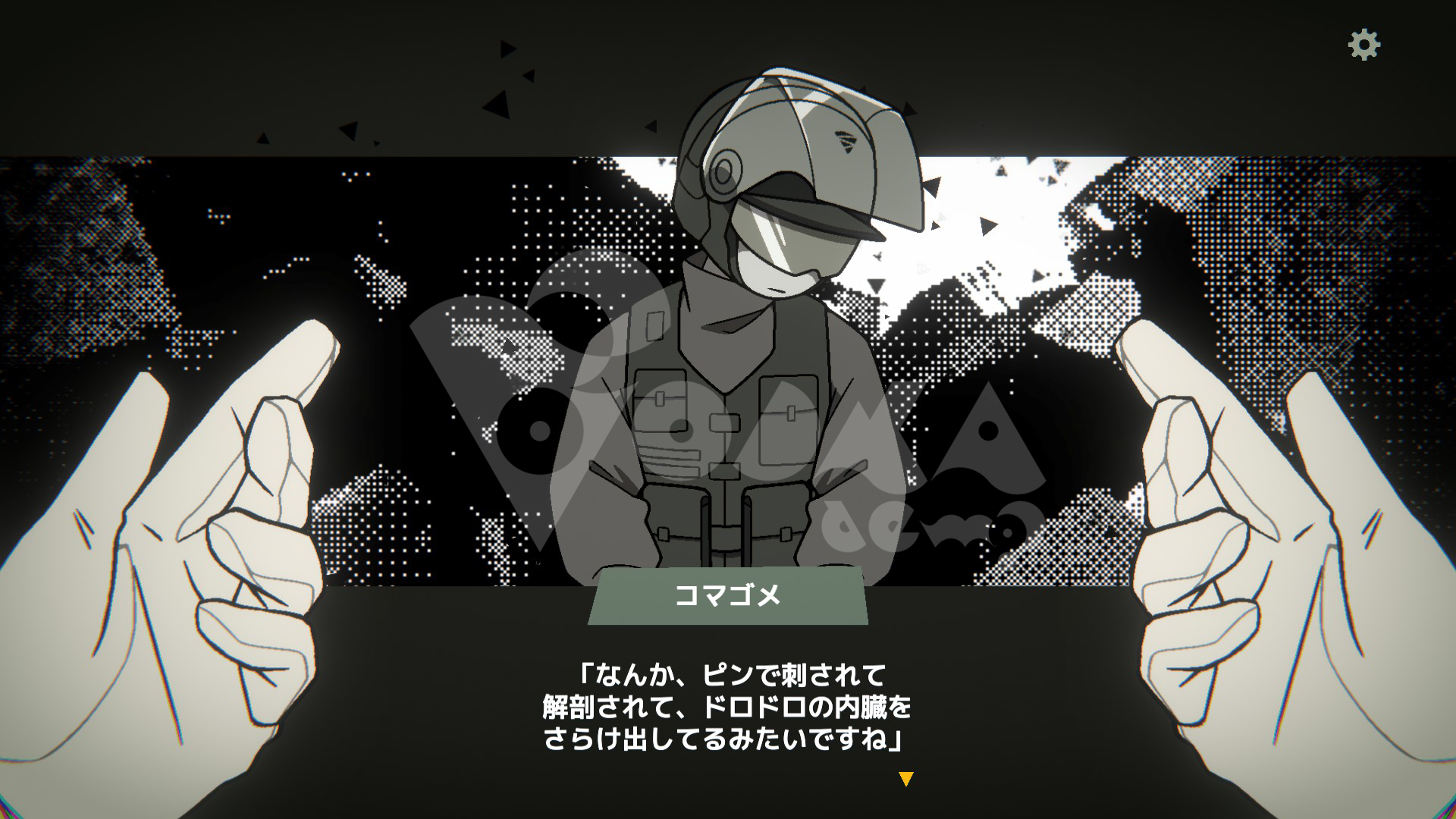
●ハッ壊す/Hack the hell out of you
“わたしはバグ変異体に、
天才マインドハッカーがお前を
ハッ壊しに来てやったぞ、と答えた。”
“I told the BUG variant that
a genius Mindhacker’s come
to hack the hell out of you!”

先生の若干調子に乗った時の口調を強く出したかった台詞です。イメージとしてはヒーロー参上!みたいなノリ、そして「ハッ壊す」のような語感の良さを意識した記憶があります。
The original Japanese uses a portmanteau here, “ha-kowasu”, which connects “hack” and “kowasu (to break)”. I remember wanting to use a phrase that was catchy like the original, while also keeping the doctor’s somewhat cocky tone and the way they say it like they’re a hero who’s come to save the day.
岩﨑さんからのコメント、楽しんでいただけたでしょうか?
今後も第四章以降の解説を不定期に更新していくのでお楽しみに。
それではまた!
これまでの英語翻訳解説
-第一章(第1回 / 第2回)
–第二章