MINDHACK英語翻訳とっておき解説コーナー!
このコーナーではMINDHACKの英語版テキストを手がけていただいている岩﨑 真木子さんに、翻訳に関するエピソードを語っていただきます。
今回のブログでは、第四章の解説をお届け!
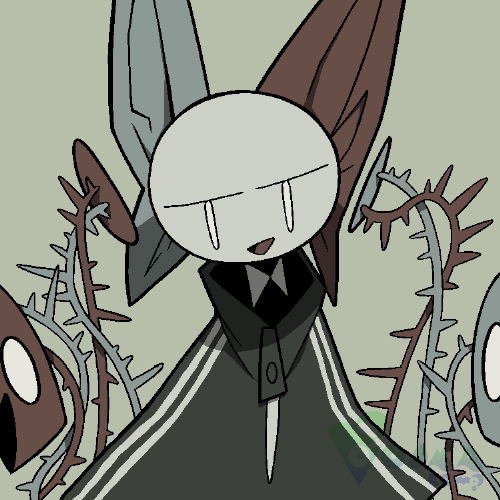
キュートなロボットCOM_Z博士。あの独特の口調はどうやって英語になったのだ!?
岩﨑さんからのコメント、どうぞご覧ください!

【今回の翻訳に際して、工夫した点やお気に入りの点について】
●COM_Zの口調/COM_Z’s way of speaking
???
「█████████
……あれ? お客さんなのだ?
こんにちはー!」???
“█████████…
…Huh? Methinks that’s a guest?
Why, hello!”

COM_Z
「おやおや、何とまあ!
ずいぶん立派になって!
ご両親もさぞ喜ばれているのだ!」COM_Z
“Oh my! Egad!
You’ve become so big!
Your parents must be so proud of you!”

COM_Zの口調はとにかく可愛らしいものを目指しましたが、「silly ninny plans(おバカ丸出し計画)」「hush-hush(ナイナイショ)」などの可愛い言葉を使いながらも、それらが来るところが幼稚さではなくむしろ(まさしく博士や)学校の先生のような寄り添い方を意識しました。
また、いかにもキャラクター的なキュートさやあざとさを演出するためにも、原文である「~なのだ!」のような特徴的な語彙を用意したかった記憶が強いです。しかし英語ではあまり語尾や一人称でキャラクター性を表現できないため、特徴的な単語で代用しました。英訳におけるCOM_Zの代表的な言葉遣いは「Egad!」と「Methinks」の二つだと思っています。ニュアンスとしては、前者が「あらま!」、後者が「~と思われますっ」という風な感じでしょうか。どちらも博識な人が使うちょっと不思議な言葉(=博士っぽさ)を意識した単語です。両方ともどちらかというと古い英語なのですが、現代ではユーモラスな使い方が主流かと思われます。
As for COM_Z’s way of speaking, I aimed for them to sound as cute as possible; However, while COM_Z uses cute-sounding words like “silly ninny plans” and “hush-hush”, I wanted them to say those words like a schoolteacher talking to a child, not because they themselves are childish.
I also wanted COM_Z to have some sort of characteristic catchphrase, like how they frequently use the suffix “~なのだ!(~nanoda)” in the Japanese original. Since suffixes for showing character traits are difficult to replicate in English, COM_Z instead uses “Egad!” and “Methinks” often, as words that a wise but a bit strange character would use (=professor-like). They’re both words that are closer to old English, but used colloquially in a humorous tone.
アザトーサー2000/CUTE-SY 2000

響きの可愛さやSFっぽさを組み合わせた命名であると事前にお聞きしていたため、かの有名なHAL9000やWALL-Eのような語感の名称を考えてみました。「アザトーサー」は「Cutesy(自覚的に・過剰なまでに可愛い)」と訳したうえでロボットっぽい名前になるように調整しました。提出した案としてはCUTE-SY 2000、Cutesy-Dutesy 2000、CUTE-Y 2000、SWEET-E 2000などがありましたが、個人的にはCUTE-SYが意味合いとしても語感としても好きだったので選ばれて嬉しかったです。
I was told that “アザトーサー2000 (Azato-sa 2000)” was named for its cute sound and with a sci-fi feel (something similar to the famous HAL9000 and WALL-E) in mind. I translated “アザトーサー” into “cutesy”, and suggested names like CUTE-SY 2000, Cutesy-Dutesy 2000, CUTE-Y 2000, and SWEET-E 2000. I personally preferred CUTE-SY 2000 for its meaning and how it sounds, so I was glad to have it picked.
COM_ZのZ/The Z in COM_Z

COM_Zの各文字に対応する単語は元々VODKAdemo?チームが決められていたのですが、他にも似合いそうな単語があるかを聞かれた際、Zから始まる単語の限界を感じつつも「Zoetic(生命的、生命に関する)」や「Zygomorphic 左右相称(よく花に対して使われる用語)」などを提出していました。前者はSINOのNoeticとつながりがあって少し微笑ましいかなという思い、そしてCOM_Zという存在に「生命的」という単語がついていると色々考えることができそうという理由でした。後者はMINDHACKというゲームにおいて花のビジュアルが多く見られるから、そしてCOM_Zのお顔が左右対称なことが多いなぁと思ったためです。結果として「Zoetic」が選ばれました!
(開発チームより:『Zoetic』の単語はVODKAdemo?内でもお気にいりとなり、シノとCOM_Zの出会いを書いたスピンオフ漫画『Noetic Zoetic』のタイトルにもなりました!)
The words that compose the acronym COM_Z was decided beforehand by VODKAdemo?, but they also asked me if I had any other suggestions. I thought of (not many) words that start with Z, and ultimately suggested “zoetic” and “zygomorphic”. I thought the former adjective, meaning “related to life”, could also make you think of SINO’s N, which stands for “noetic”. As for the latter, referring to symmetry in flowers, I chose it from the flower symbolism seen throughout MINDHACK, as well as how COM_Z’s cute face seems very symmetrical. And so, zoetic was chosen!
『心』について/The “heart”
COM_Z
「そのとーり!ワガハイはプログラムによって
世界で初めて『心』を獲得した、
たぐいまれなるカワイイロボなのだよ!」COM_Z
“That’s exactly right! With this program,
I became the first robot to obtain a
‘heart’! And now, I’m super-duper cute!”

COM_Z
「マインドハック装置なら、
どんなに心の傷ついた人間でも
前よりもっと幸せにできる」COM_Z
“The Mindhack device can make anyone
happier than before, no matter how
much their soul was hurt.”

隊長
「心は変わるが、
人の手で変えられはしない。
心は誰の思い通りにもならない」Captain
“Souls change,
but not by someone else’s hand.
The soul can’t be bound by anyone.”

日本語における「心」とは英語における「soul(魂)」「heart(心)」「mind(精神)」「emotion(感情)」などのニュアンスが全て含まれた単語です。MINDHACKにおいて、基本的に「精神」は「mind」とそのまま翻訳していますが、「心」をどのように訳すかは台詞の文脈を見たうえで判断することが多いです。ソースコードやマインドハックをする対象について言及する場合での「心」は基本的に「soul」でたまに「mind」と訳しており、感情があるという意味での「心」はやはり「heart」と訳すことが多いです。COM_Zが語る『心』をどう訳すかも少し迷いましたが、結局直訳で「’heart’」としました。ハートはやはりハート型も連想されて可愛いですしね!
In English, the heart, the mind, the soul, and emotions all have overlapping meanings. I feel that the Japanese “心(kokoro)”, which literally translates to “heart”, is very good at encapsulating all of these meanings. Which means, it depends on the context which word to use in order to portray the meaning closest to the original Japanese. I tend to use “soul” (sometimes “mind”) in the context of Mindhacking, i.e. regarding source codes and where BUGs take root in reformation targets, and use “heart” when characters are talking more about emotions. I had to think about what kind of “心” COM_Z often refers to, but I decided to use “heart” in the end.
岩﨑さんからのコメント、楽しんでいただけたでしょうか?
今後も不定期に更新していくのでお楽しみに。
それではまた!
これまでの英語翻訳解説
–第二章
–第三章